Lodi Physical Fencing vs Electronic Surveillance: Site Security Comparison
Choosing between physical fencing and electronic surveillance is critical for Lodi construction sites, especially near the Heritage District or Reynolds Ranch. While surveillance offers remote monitoring, Lodi Lake Fence Rentals provides the physical barriers required for legal liability and site safety. Our heavy-duty rentals withstand Lodi's extreme heat and seasonal weather, ensuring your perimeter remains secure from Downtown Lodi to Hale Park.
When Concrete Beats Pixels for Lodi Job Sites
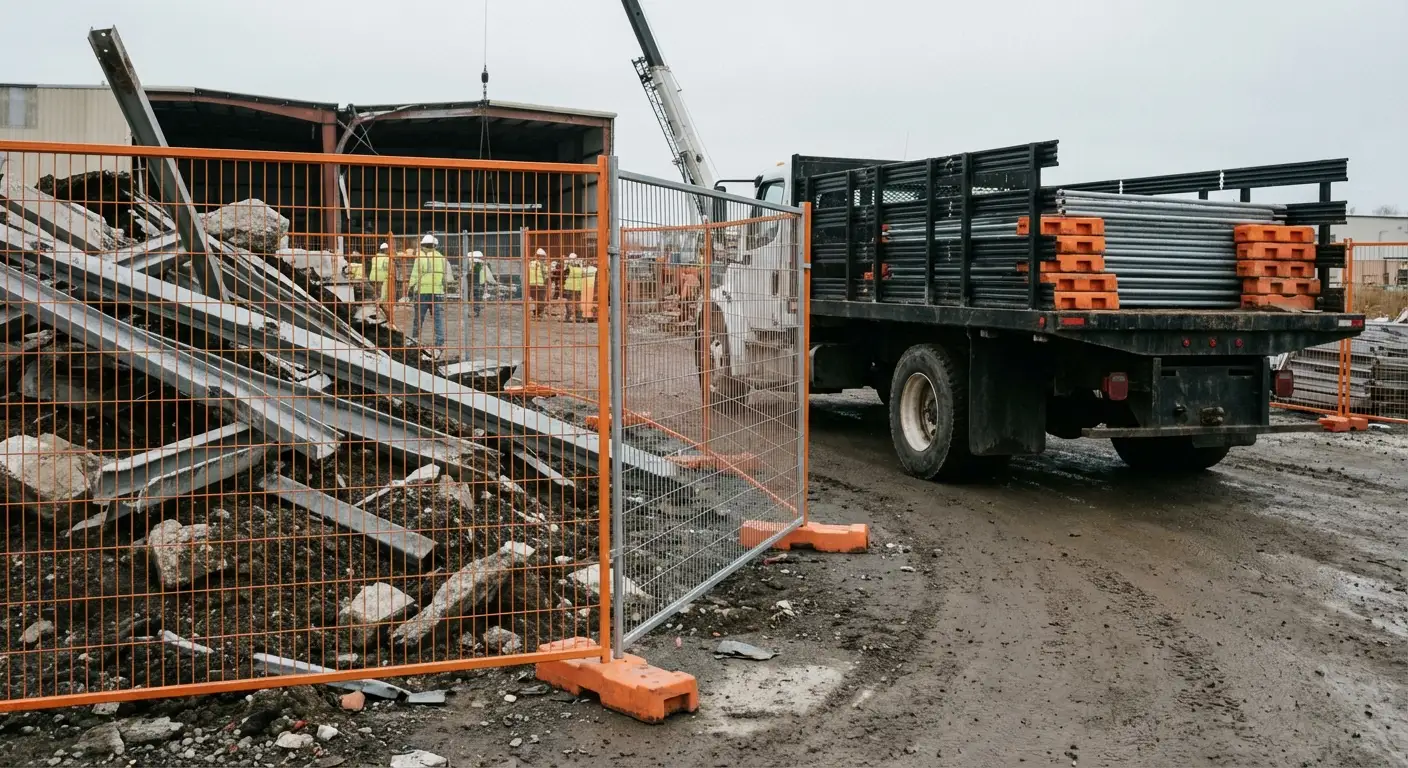
We've secured everything from Vinewood backyard pools to Hale Park construction sites - nothing stops trespassers like physical barriers. Electronic surveillance fails when the Mokelumne River floods knock out power, but our chain-link panels stay put. During last summer's heatwave (67 days over 90°F!), cameras overheated while our wind-resistant fencing protected the Lawrence Park school expansion. For active theft prevention rather than after-the-fact footage, steel beats sensors every time.
-
Physical barriers block unauthorized access immediately
-
Electronic systems require power and maintenance to function
-
Temporary fencing adapts to changing site conditions
-
Surveillance cameras only document breaches after they occur
-
Chain-link panels withstand high winds better than camera mounts

Why a Camera Won't Stop a Trespasser Like a Fence Will
I've seen cameras fail when real security matters most on a job site.
Vinewood Construction Perimeter Security
Hutchins Street Square Site Protection
Secure Your Lodi Property: Physical Fencing vs Electronic Protection
Professional perimeter solutions tailored for comprehensive industrial and commercial security needs
Physical Fencing vs Electronic Surveillance: Key Site Security Boundaries
Comparing physical fencing with electronic surveillance highlights critical security boundary considerations on-site.
| Excluded Service | Reason for Exclusion | Alternative Provider |
|---|---|---|
|
Physical Fencing
|
Provides a tangible barrier deterring unauthorized entry and defining property limits effectively. |
Use for clear, visible site demarcation and perimeter control.
|
|
Electronic Surveillance
|
Enables real-time monitoring and evidence collection, enhancing detection beyond physical barriers. |
Deploy for ongoing site monitoring and remote incident verification.
|
|
Combined Systems
|
Integrating fencing with cameras improves overall security coverage and response capabilities. |
Implement hybrid solutions for layered site defense.
|
|
Climate Adaptation
|
Physical fences endure Lodi’s heat and occasional floods better than sensitive electronic devices alone. |
Select durable fencing materials and weatherproof surveillance equipment.
|
|
Neighborhood Compliance
|
Security installations must align with Historic District and Downtown Lodi aesthetic regulations. |
Consult local codes to ensure compliant fencing and camera placement.
|
Physical Fencing vs Electronic Surveillance: Why the First Line of Defense Matters in Lodi
When it absolutely has to be secure, fast, we trust steel over signals. Ramiro Vargas built Lodi Lake Fence Rentals on the belief that real security begins with a barrier you can see, touch, and rely on—rain, heat, or flood. Electronic systems have their place, but they’re secondary to a perimeter that holds firm without power, patience, or perfect conditions.
-
1
Physical barriers deter intrusion before it starts
Electronic systems alert after a breach begins, but temporary fencing stops unauthorized access at the perimeter. In Lodi’s moderate flood zones and high-heat summers, a visible, tamper-resistant barrier sends an immediate message that the site is actively secured.
Real World ExampleDuring a summer build-out near Heritage District, our chain-link panels with concrete steel bases prevented repeated after-hours trespassing attempts.
-
2
Reliability beats complexity in volatile conditions
Lodi sees 67 days above 90°F and occasional winter freezes—conditions that strain cameras, sensors, and power sources. Physical fencing requires no power, firmware updates, or signal strength, making it the consistent choice for uninterrupted site control.
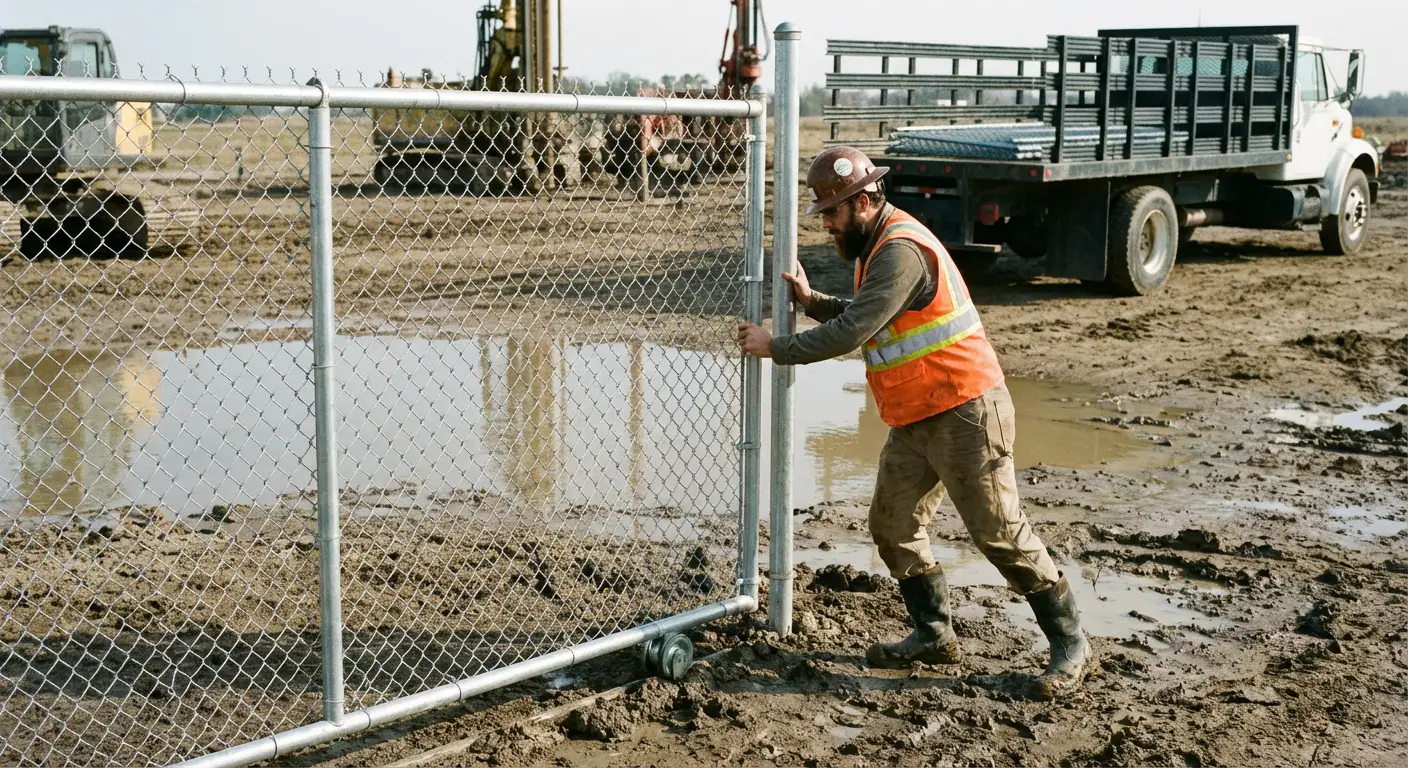
Real World ExampleOn a Vinewood infill lot built between 1980–2000, electronic motion sensors failed during a heatwave, but our wind-load-resistant fence held firm through 40mph gusts.
-
3
Immediate deployment equals immediate security
When a site near Lawrence Park needed overnight protection after a theft, we installed emergency fencing within hours. Electronic surveillance often requires wiring, permits, and calibration—delays that leave sites exposed.
Real World ExampleUsing emergency fencing with zero-trip-hazard bases, our crew secured the perimeter before sunrise—no grid connection or software setup needed.
-
4
Layered security starts with a solid perimeter
We don’t dismiss electronic tools—but they work best behind a physical barrier. Fencing reduces false alarms by filtering out wildlife, wind-blown debris, and casual foot traffic common near the Mokelumne River corridor.
Real World ExampleFor a tree protection zone near Hale Park, our modular-reconfiguration panels created a stable boundary that let cameras focus on real threats.
We deliver site security that works the moment it’s installed—no boot-up time, no blind spots, no excuses.
Why Physical Barriers Outperform Electronics in Lodi's Climate
We've installed chain link panels around Hale Park construction sites for 16 years - they don't blink during our 113°F heat waves like surveillance equipment does. Last summer at Heritage District remodel, cameras failed for 3 days after a transformer blew, while our wind-rated fencing kept working. Physical barriers do three things electronics can't: 1) Stop intruders immediately 2) Withstand flood zone conditions 3) Provide liability coverage with visible boundary markers. For Tokay High School projects, we use trip-free bases that won't short circuit like buried sensor cables.
Site Assessment Checklist
- Physical barriers create visible deterrence that surveillance cameras can't match
- Electronic systems fail during Lodi's summer power surges without backup generators
- Chain link panels withstand 50mph winds common in Hale Park during storm season
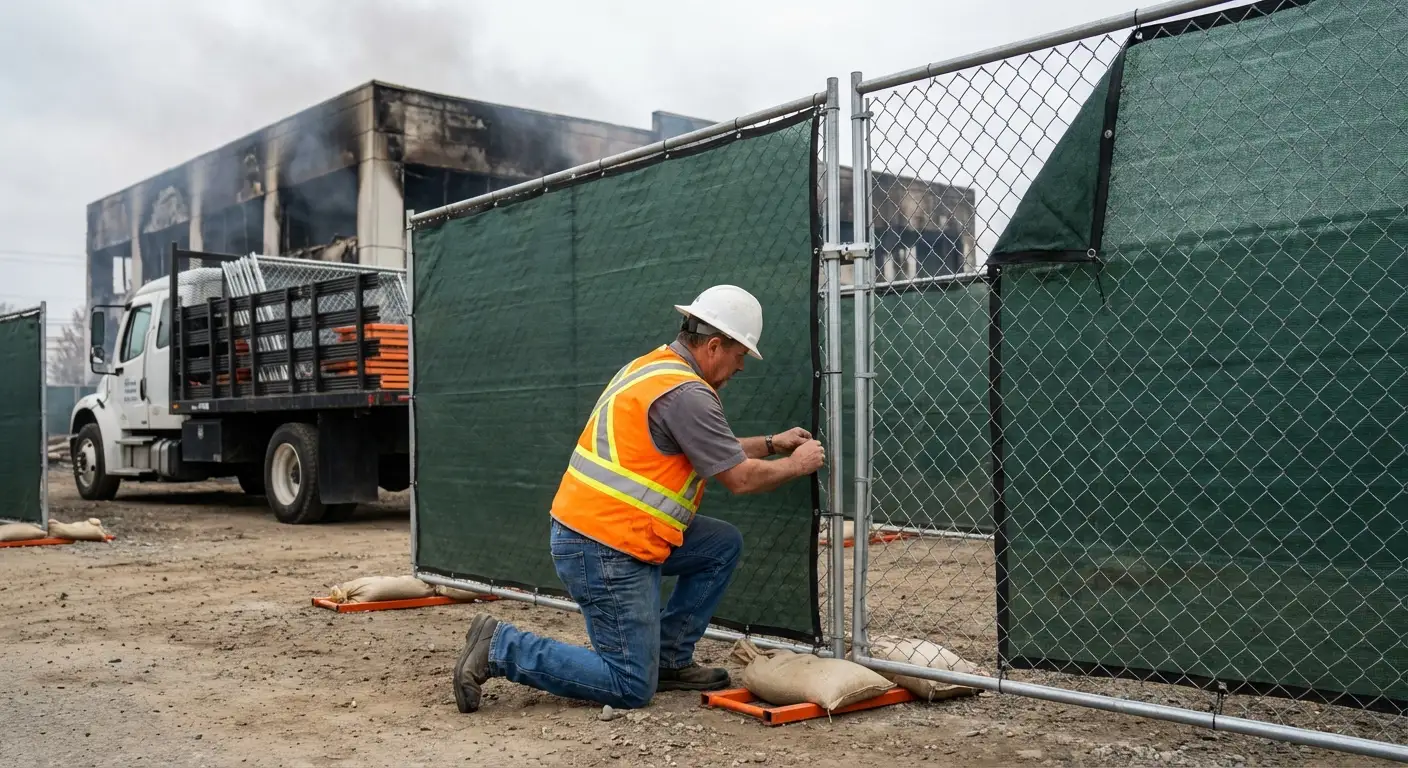
- Privacy windscreens block line-of-sight better than camera blind spot adjustments
- Temporary gates with interlocking hooks stop vehicle intrusions that motion sensors only record
Secure Lodi Construction Sites With Physical Perimeter Fencing
Physical barriers provide immediate site containment and deter unauthorized access to job sites throughout the Lodi, California area.
Serving San Joaquin County construction and perimeter security needs.
Physical Fencing vs Electronic Surveillance: Site Security Comparison
Explore differences between physical fencing and electronic surveillance for securing sites in Lodi's climate and neighborhoods.
How does physical fencing perform in Lodi's climate?
Physical fencing withstands the 67 hot days above 90°F and the 18 freezing days typical in Lodi, but regular maintenance is needed near flood-prone areas like Vinewood due to moderate flood risk.
What are common challenges with electronic surveillance in the Heritage District?
Heritage District's dense tree coverage can interfere with camera lines of sight and wireless signals, requiring strategic camera placement and possibly supplemental lighting.
Is physical fencing compliant with local regulations in Lawrence Park?
Fencing around Lawrence Elementary School in Lawrence Park must meet city height and setback regulations to avoid violating neighborhood safety codes and preserve sightlines.
How does vandalism affect electronic systems near Hutchins Street Square?
Electronic surveillance near Hutchins Street Square requires protective housing for cameras to prevent damage from occasional vandalism common in high-foot-traffic cultural areas.
Can physical fencing integrate with electronic surveillance for better security?
Combining fencing from Lodi Lake Fence Rentals with electronic surveillance improves perimeter security, especially in mixed-use zones like Vinewood, balancing physical barriers and monitoring.
What maintenance issues arise with physical fencing in Lodi's suburban infill areas?
Fencing in suburban infill zones from 1980-2000 construction cycles often needs repair due to shifting soil and root growth, which can loosen posts and reduce barrier effectiveness.